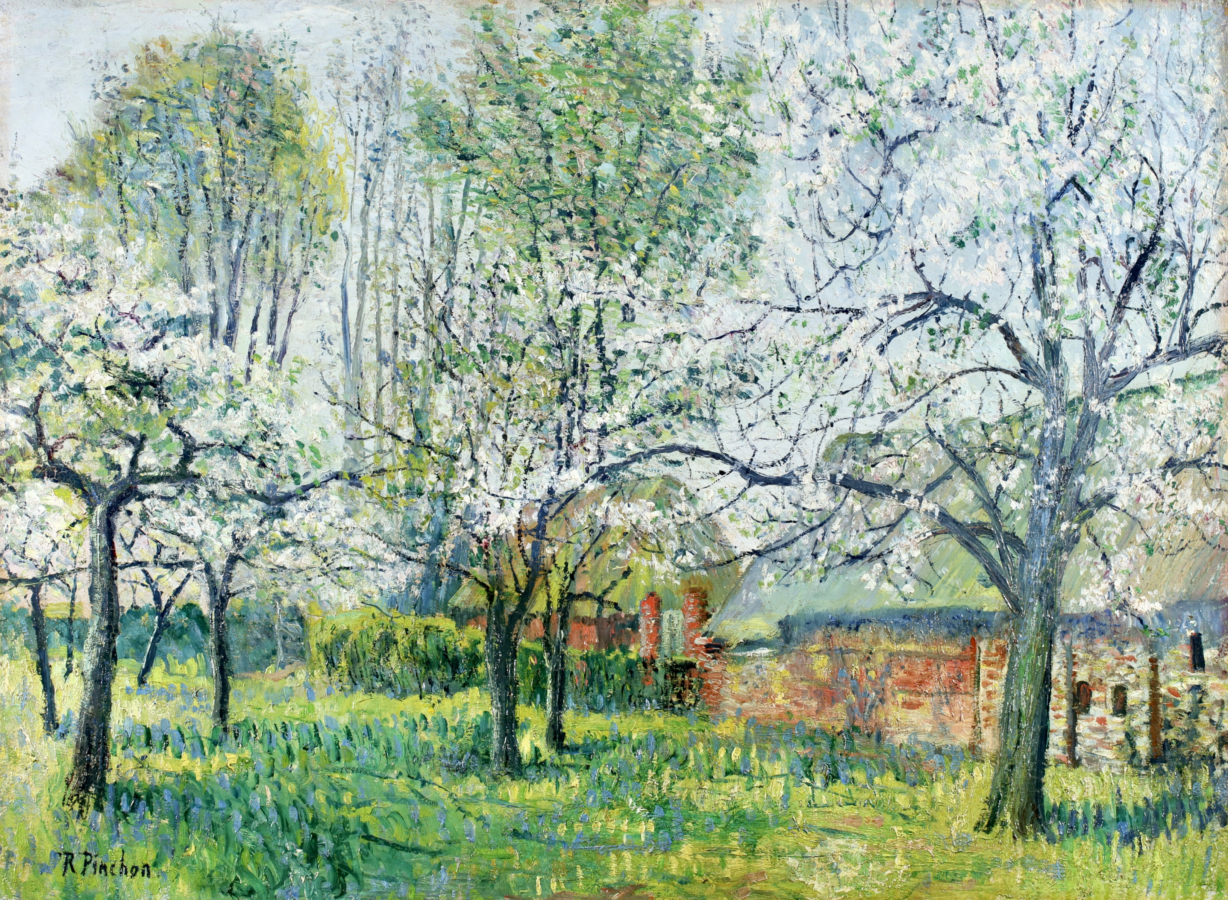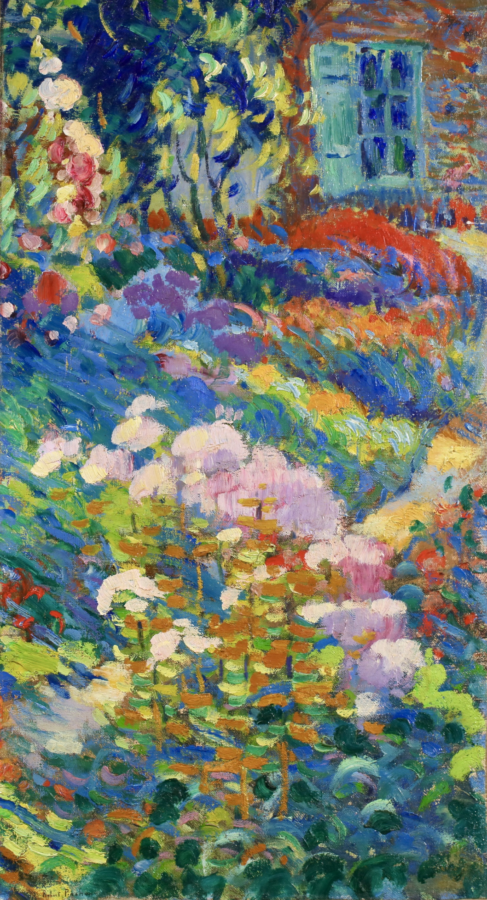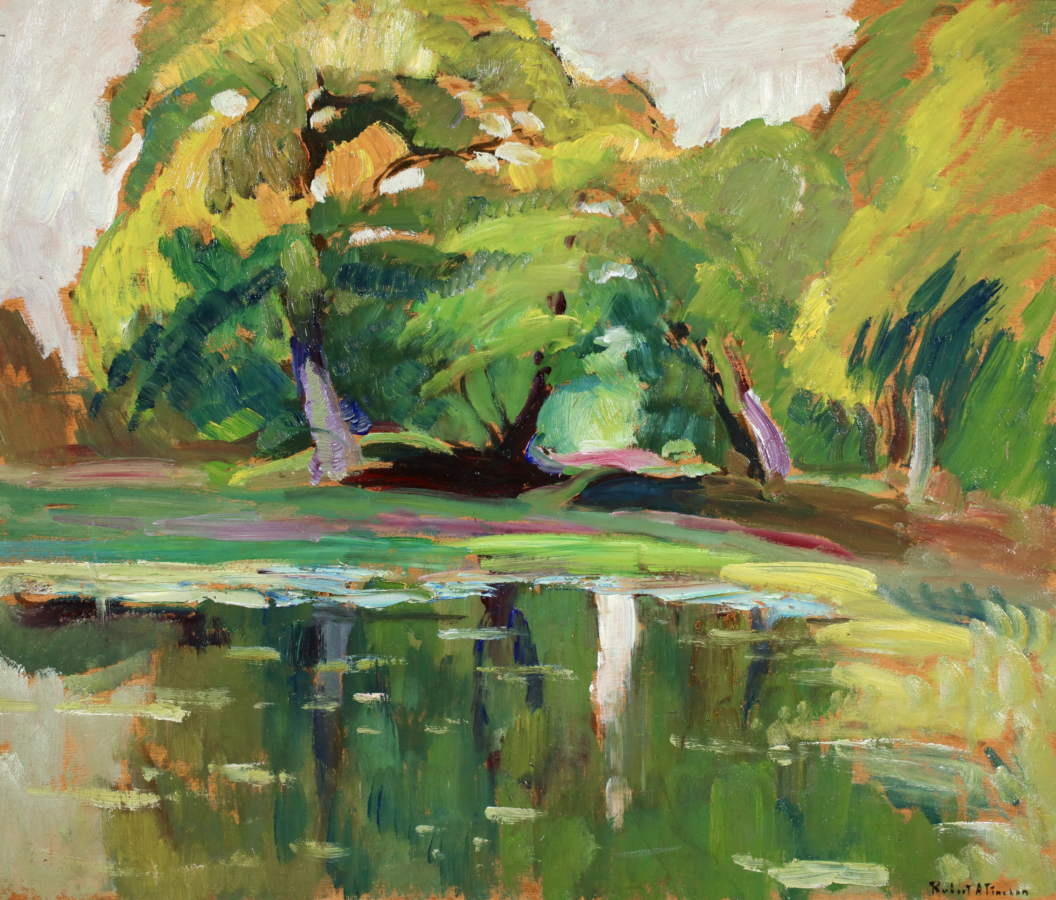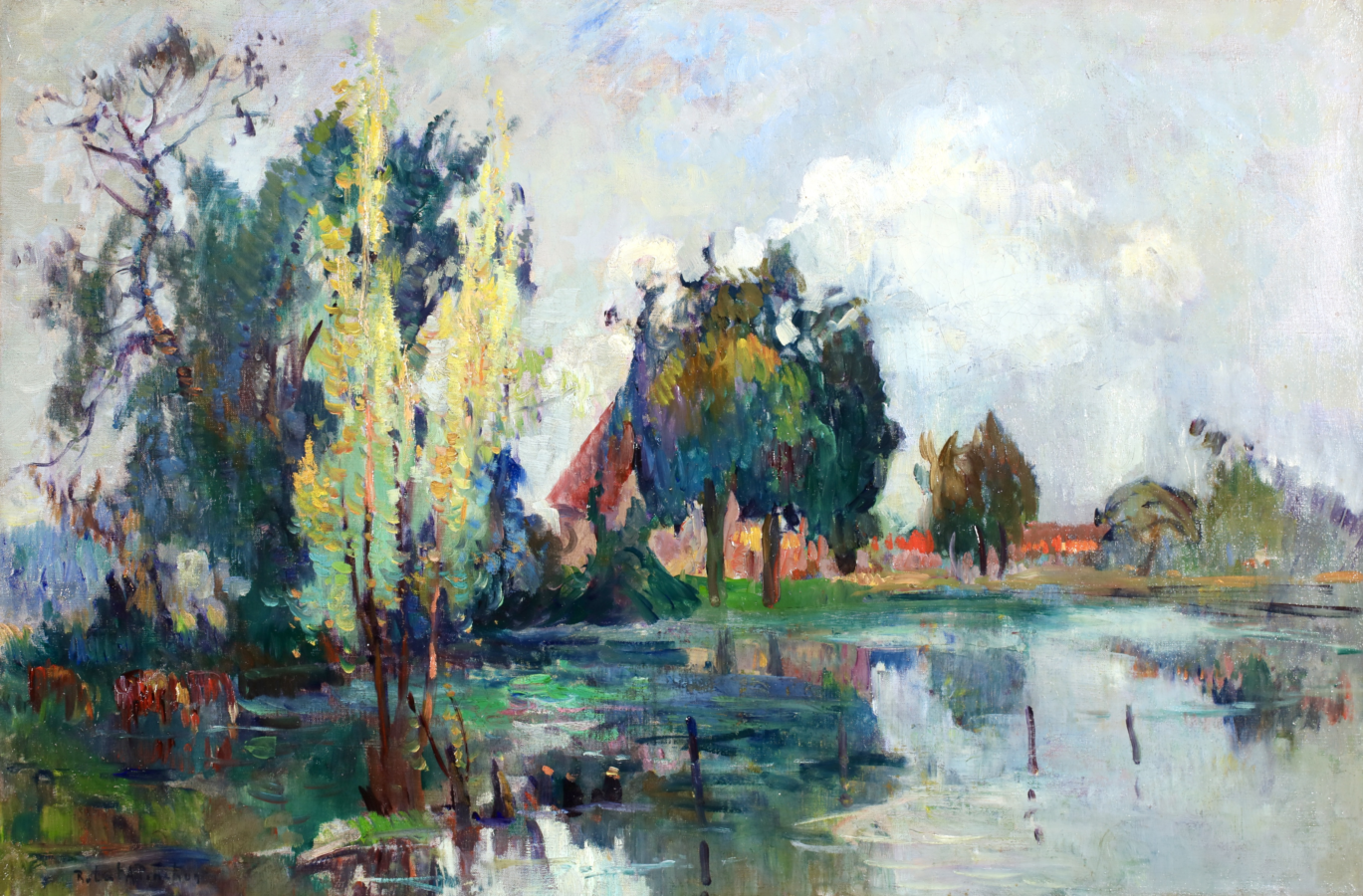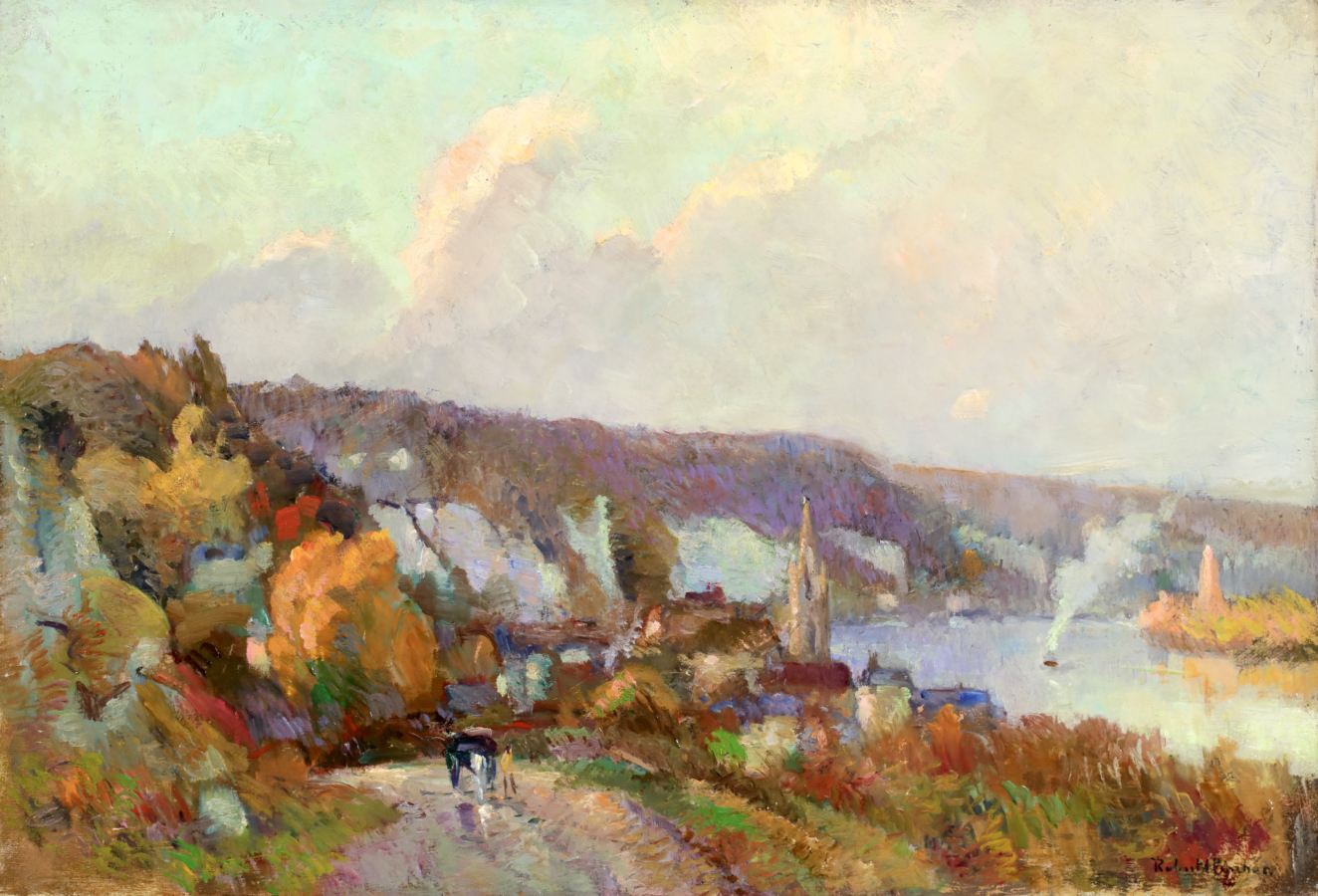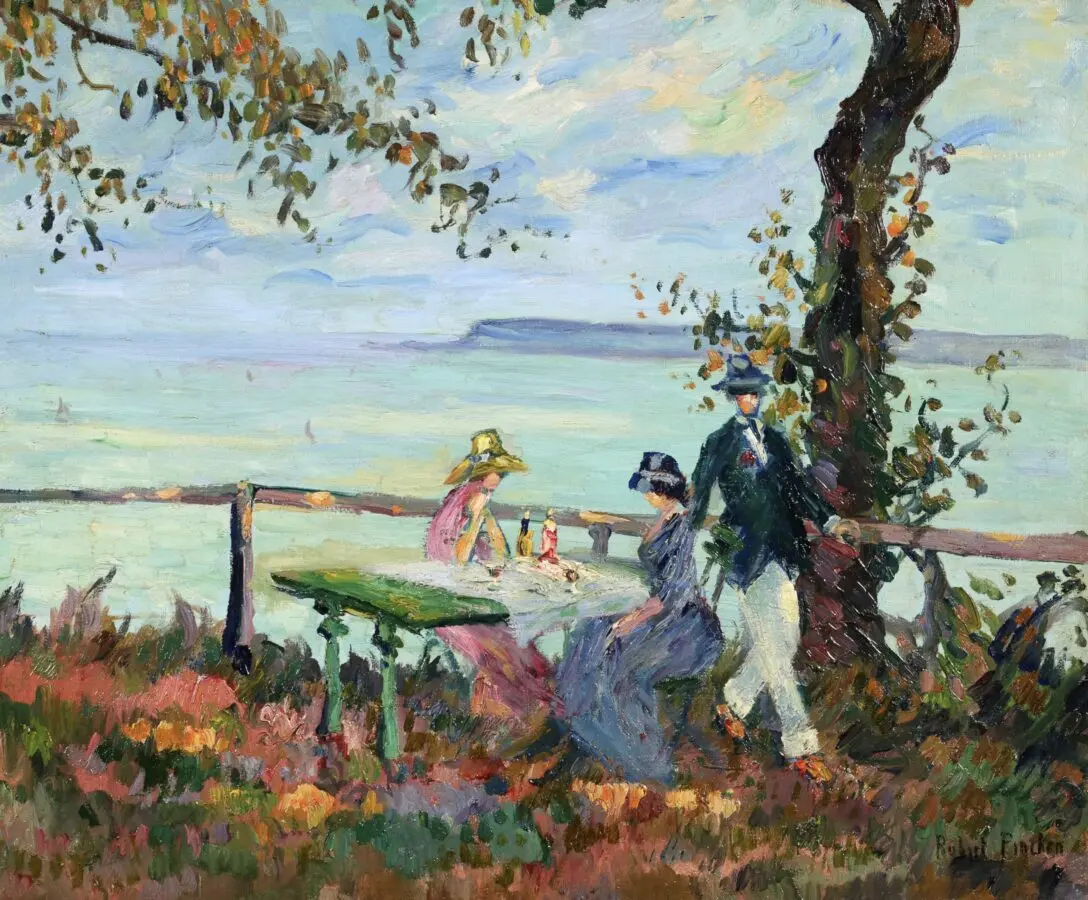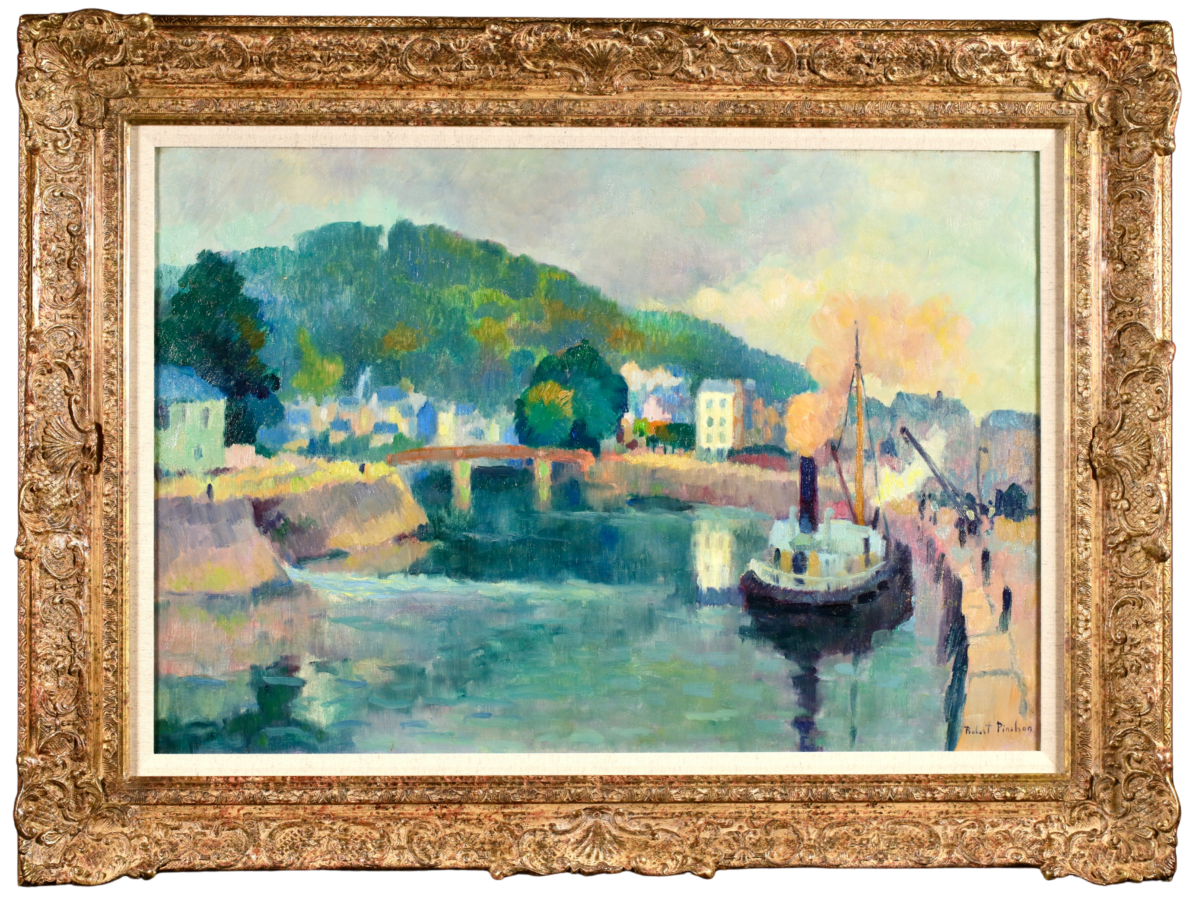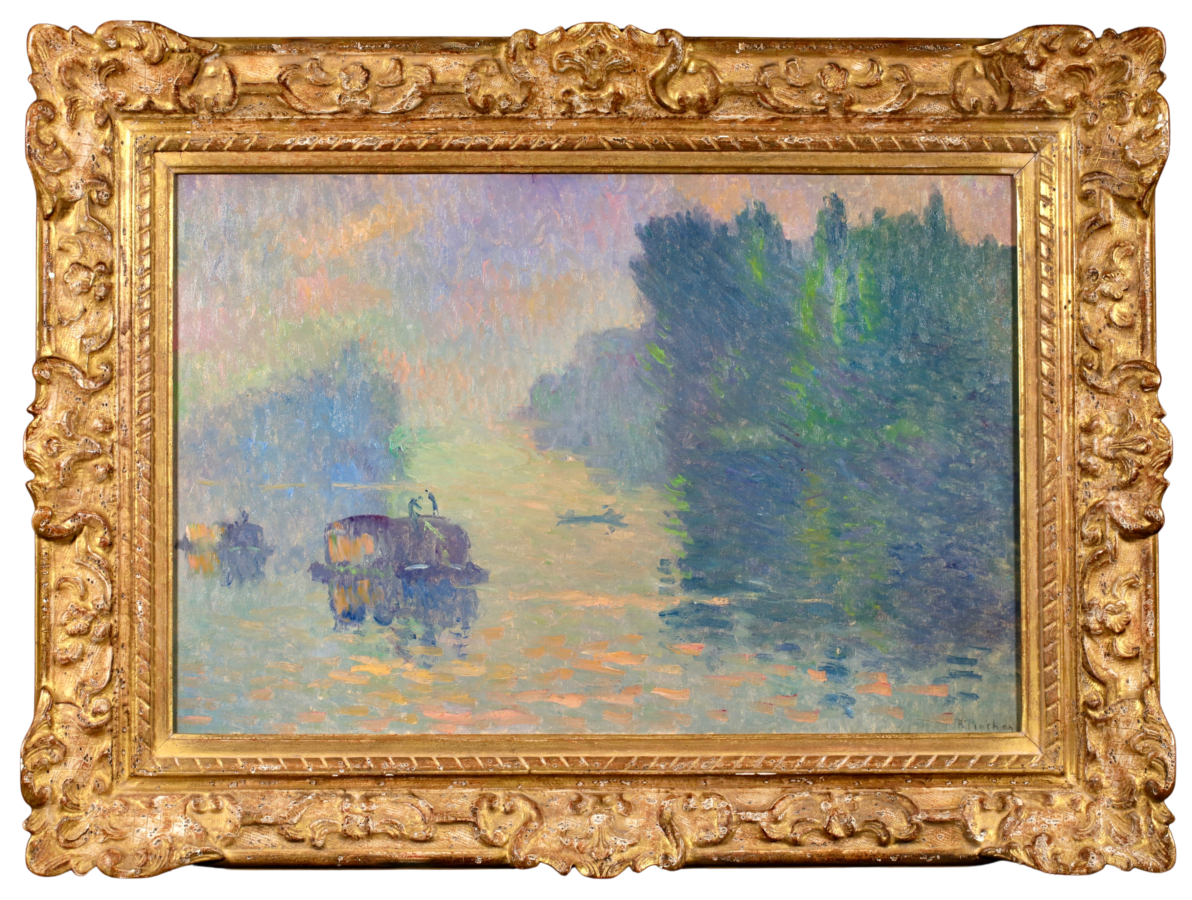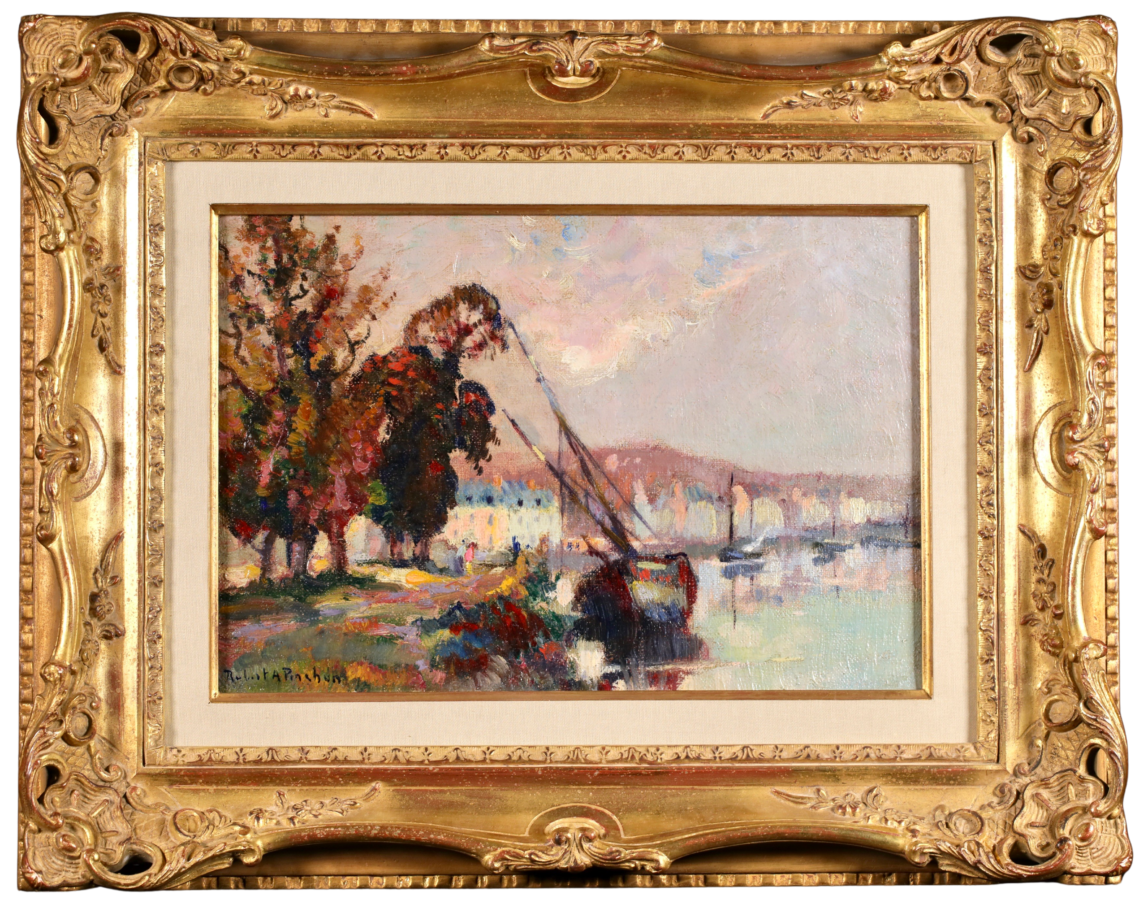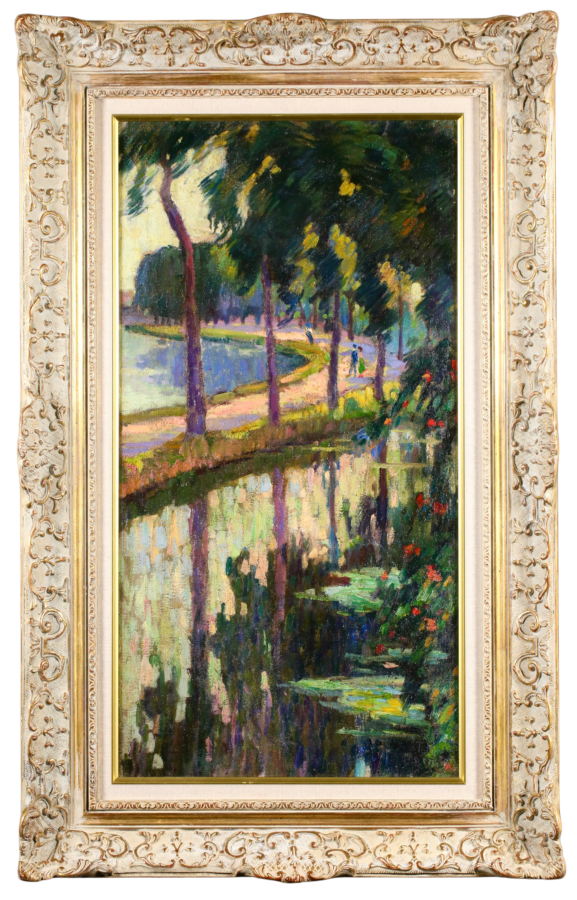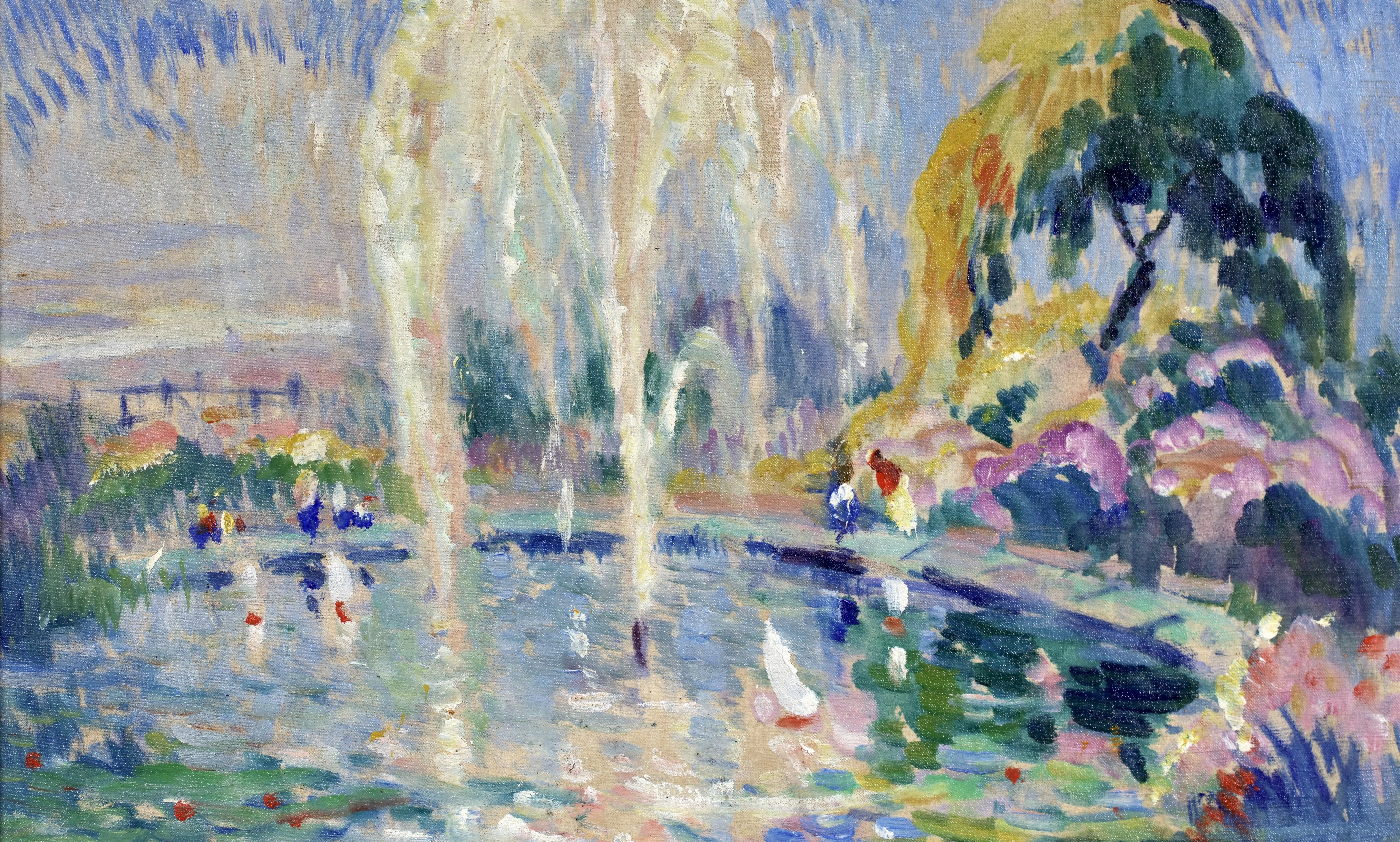
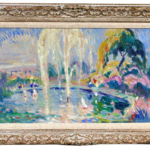
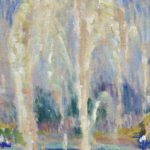
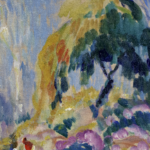
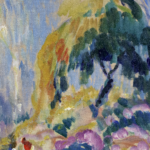
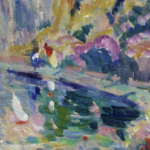
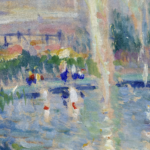
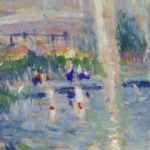
“La Fontaine”
Specifications
| Medium | Oil on canvas board |
| Size | 12.00" × 19.50" (30.5cm × 49.5cm) |
| Framed Size | 17.50" × 25.00" (44.5cm × 63.5cm) |
| Dated | c. 1920 |
| Condition | Very good condition |
| Provenance | The collection of the artist's family |
Summary
Available now — insured worldwide delivery
We've sold 22 paintings by Robert Antoine Pinchon See them
- Response within 3 hours (GMT)
- Authenticity guaranteed
- Secure checkout
- 200+ five-star reviews
Why buy from Leighton Fine Art
Leighton Fine Art is a specialist dealer in Impressionist and Post-Impressionist paintings. We’ve been trading online since 2001, and attend international art fairs including the Palm Beach Show, the Treasure House Fair and the San Francisco Fall Show. Every painting we sell comes with a guarantee of authenticity. Take a look at our near-perfect feedback rating across tens of thousands of sales on Google or Reviews.io.
Viewing & Purchasing
We offer no-obligation viewings at your own home or at our premises in Buckinghamshire – about 40 minutes by car or 30 minutes by train from Central London.
We accept all major credit and debit cards, wire transfer and PayPal. Instalment plans can be arranged on most purchases if required.
Our “on approval” service allows us to ship works of art anywhere in the world, so you can familiarise yourself with them in the comfort of their intended surroundings.
Complimentary Worldwide Shipping
We arrange specialist art courier services worldwide, ensuring your acquisition arrives safely and promptly. Every shipment is fully insured, tracked and handled by experienced fine art logistics partners.
Our service includes professional packing to museum standards, all shipping costs, and full insurance coverage.
For UK clients, we’re pleased to arrange personal delivery and installation where appropriate.Please notify us within 7 days of receipt if you would like to return any item, for any reason. We simply ask that all works are returned in the same condition as they were shipped. A restocking fee will be applied to cover shipping and relisting charges.
Returns
Please notify us within 7 days of receipt if you would like to return any item, for any reason. We simply ask that all works are returned in the same condition as they were shipped. A restocking fee will be applied to cover shipping and relisting charges.
Authenticity
All of our works are covered by our own guarantee of authenticity, which covers the work for its lifetime of ownership with the purchaser. We carry out stringent due diligence on every work listed — should we make an error, we offer a full money-back guarantee on the purchase.