When acquiring landscape art, the question isn’t simply what to buy, it’s how to curate a collection that reflects your taste and stands the test of time. With prices spanning from a few hundred to six figures and beyond, a considered approach is key.
Begin with clarity on your budget. Like any investment, fine art offers not just aesthetic pleasure but enduring value, so invest at a level that aligns with your goals.
Next, consider style. Is your residence Classical, Contemporary, Modern, or Art Deco? The aesthetic of your home often determines the works that will harmonise seamlessly within it.
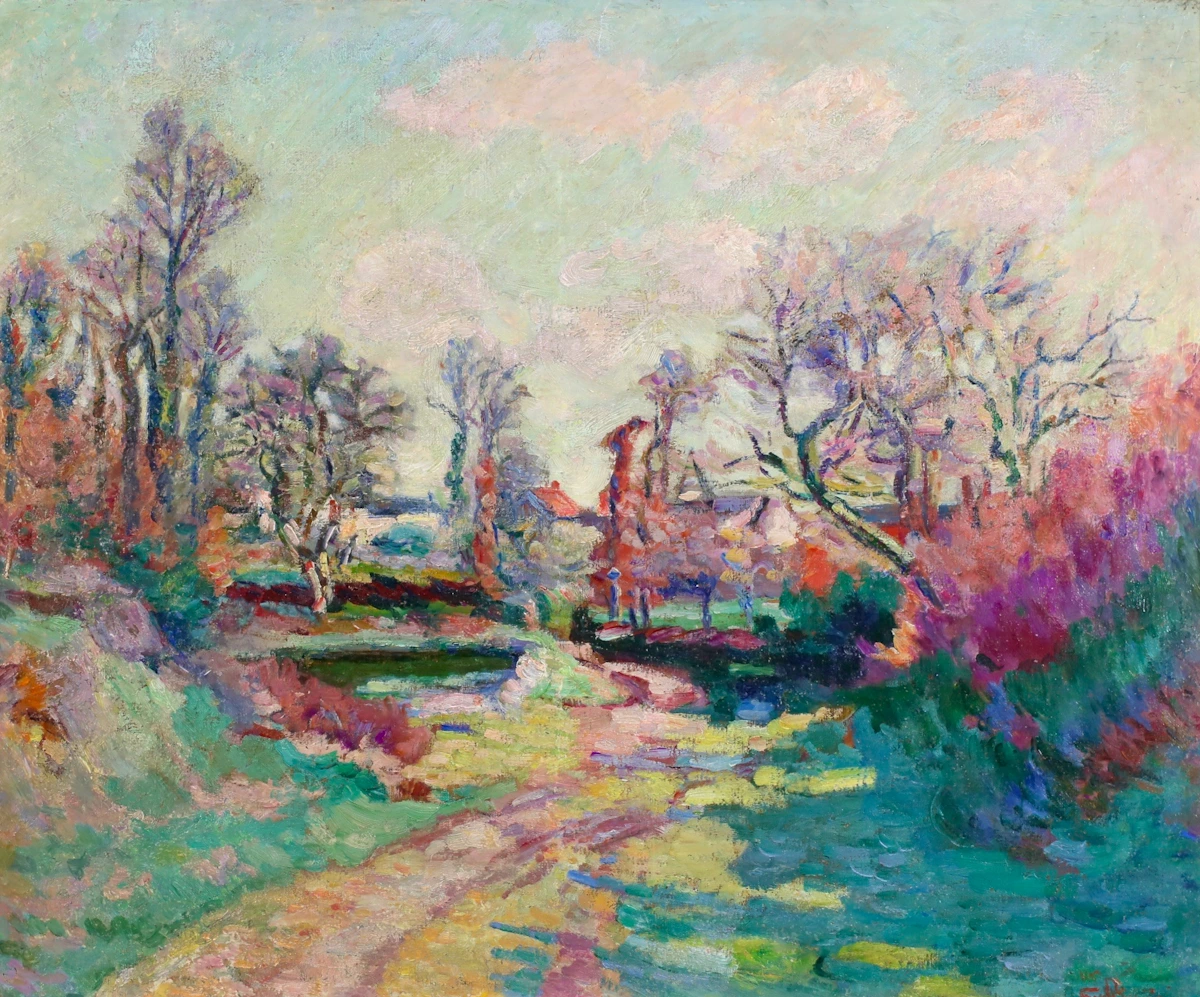
While names like Monet and Renoir dominate the conversation, many discerning collectors are now seeking out their lesser-known contemporaries, artists whose works rival, and in some cases arguably exceed, those of their celebrated peers.
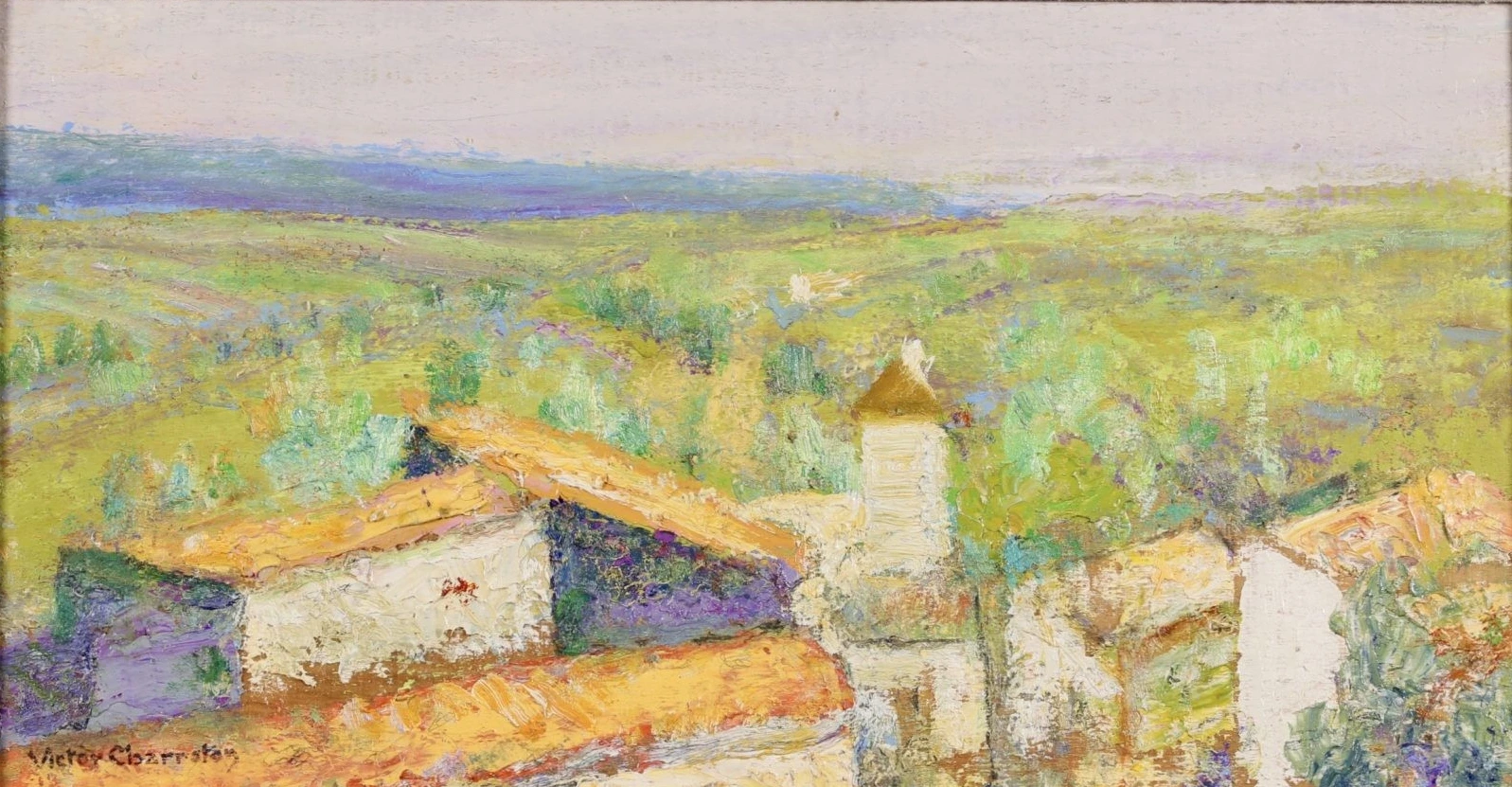
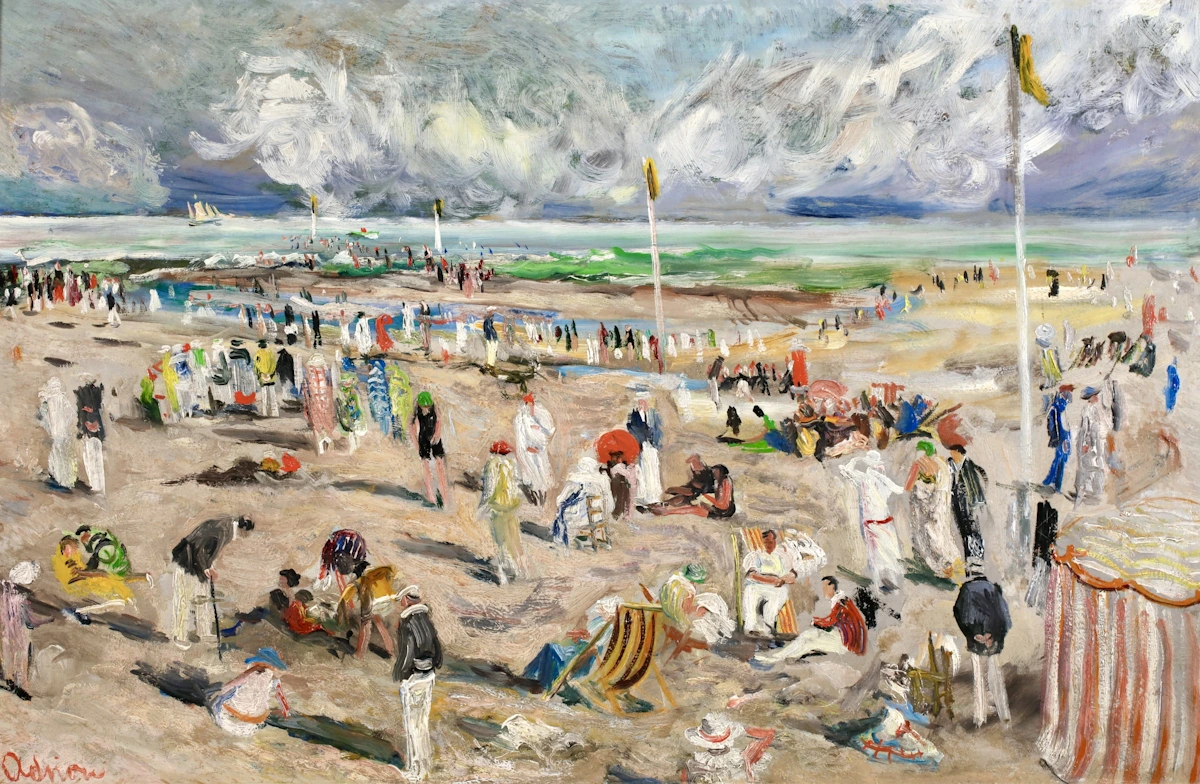
At Leighton Fine Art, we have specialised in museum-quality Impressionist and Post-Impressionist works since 2001. From the luminous works of Victor Charreton to the evocative scenes of Lucien Adrion, we can introduce you to artists whose pieces offer both beauty and provenance.
Explore our hand-picked collection via the Paintings For Sale page (see all our landscapes by checking the Landscapes button under Subject), and should you wish for a private consultation, we would be delighted to assist.
Landscape art paintings have the incredible power to transport us to serene valleys, majestic mountains, and tranquil lakes, encapsulating the essence of nature’s beauty. These masterpieces not only showcase the breathtaking scenery around us but also reflect the artist’s unique perspective and emotional connection to the world. As we delve into the world of landscape art, we will explore various techniques that breathe life into these scenes, from the soft brush strokes of impressionism to the striking colors of modern abstract interpretations.
Additionally, we’ll highlight emerging trends that are shaping contemporary landscape art, ensuring it remains relevant and captivating to audiences today. Each brushstroke tells a story, and by examining timeless works from celebrated artists, we’ll uncover the enduring themes that transcend time and culture. Join us on this artistic journey as we celebrate the beauty of landscape art, revealing the intricate blend of creativity and nature that inspires both artists and admirers alike.
Landscape art has a rich history that dates back to ancient civilizations, where early artists sought to capture the natural world around them. In ancient Egypt, artists incorporated stylized depictions of the Nile River and its surrounding flora and fauna into tomb paintings, emphasizing the importance of nature in their spiritual and daily lives. Similarly, Chinese artists during the Tang Dynasty (618-907 AD) created intricate ink paintings of mountains, rivers, and forests, reflecting the philosophical and spiritual significance of the natural world in their culture.
The Renaissance period in Europe marked a significant turning point in landscape art, as artists began to explore more realistic and detailed depictions of nature. Influenced by the scientific advancements of the time, artists like Leonardo da Vinci and Albrecht Dürer meticulously studied and rendered the natural environment, blending their observations with artistic creativity. This period also saw the rise of the “genre painting,” where landscapes served as the backdrop for scenes of everyday life, further integrating nature into the artistic narrative.
The 17th and 18th centuries witnessed the flourishing of landscape painting in Europe, particularly in the Netherlands and England. Dutch Golden Age artists, such as Jacob van Ruisdael and Jan van Goyen, excelled in capturing the atmospheric effects and changing moods of the landscape, while English artists like John Constable and J.M.W. Turner brought a new level of emotional depth and expressiveness to their depictions of the countryside. These developments laid the groundwork for the diverse and dynamic landscape art movements that would emerge in the 19th and 20th centuries.
One of the most fundamental techniques in landscape painting is the use of perspective to create a sense of depth and dimension. Linear perspective, developed during the Renaissance, involves the use of converging lines and a vanishing point to simulate the appearance of three-dimensional space on a flat surface. Atmospheric perspective, on the other hand, relies on the gradual fading of colors and details to convey the illusion of distance, as seen in the works of artists like Leonardo da Vinci and J.M.W. Turner.
Another essential technique in landscape painting is the manipulation of light and shadow to enhance the realism and mood of the scene. This technique, known as chiaroscuro, involves the careful placement of highlights and shadows to create a sense of volume and depth. Artists like Caravaggio and Rembrandt masterfully employed chiaroscuro to bring their landscapes to life, using dramatic contrasts of light and dark to evoke powerful emotional responses.
The application of color is also a crucial aspect of landscape painting, with different palettes and brushwork techniques used to convey various atmospheric conditions and times of day. Impressionist artists, such as Claude Monet and Pierre-Auguste Renoir, revolutionized landscape painting with their use of vibrant, broken brushstrokes and a focus on capturing the fleeting effects of light and color. In contrast, the post-impressionist artists, including Vincent van Gogh and Paul Cézanne, introduced more expressive and symbolic use of color, emphasizing the emotional and psychological impact of the landscape.
Impressionism, which emerged in the late 19th century, is one of the most celebrated movements in landscape art. Characterized by loose brushwork, vibrant colors, and an emphasis on capturing the transient effects of light, impressionist landscapes often depict scenes of leisure and nature. Artists like Claude Monet, Camille Pissarro, and Alfred Sisley were pioneers of this movement, painting en plein air, or outdoors, to directly observe and render the natural world.
The Romantic movement, which preceded Impressionism, emphasized the sublime and emotional aspects of nature. Romantic landscape artists like Caspar David Friedrich and John Constable sought to evoke a sense of awe and wonder through their dramatic depictions of natural phenomena, such as stormy seas, rugged mountains, and vast, untamed wildernesses. This movement reflected the broader cultural shift towards individualism and the exploration of the human psyche, with nature serving as a powerful metaphor for the sublime and the unknown.
Modern and contemporary landscape art has continued to evolve, incorporating elements of abstraction, surrealism, and even digital media. Abstract landscape artists like Georgia O’Keeffe and Joan Mitchell experimented with form and color to create dynamic, non-representational interpretations of the natural world. Meanwhile, contemporary artists like David Hockney and Gerhard Richter have pushed the boundaries of landscape art through innovative techniques and mediums, including photography and digital manipulation, ensuring that landscape painting remains a vibrant and relevant genre in the 21st century.
In recent years, there has been a resurgence of interest in plein air painting, with artists seeking to reconnect with nature and capture its essence in real-time. This trend is driven by a desire to escape the confines of the studio and immerse oneself in the environment, allowing for a more immediate and authentic artistic experience. Plein air festivals and competitions have gained popularity worldwide, fostering a sense of community and collaboration among artists and promoting the appreciation of outdoor painting.
Another notable trend in contemporary landscape painting is the incorporation of environmental themes and activism. Artists are increasingly using their work to raise awareness about pressing ecological issues, such as climate change, deforestation, and pollution. By depicting the beauty and fragility of endangered landscapes, these artists aim to inspire a deeper connection to nature and a sense of responsibility towards its preservation. Notable examples include the works of Alexis Rockman and Olafur Eliasson, who blend artistic expression with environmental advocacy.
Digital technology has also made a significant impact on contemporary landscape painting, opening up new possibilities for creativity and experimentation. Digital painting tools and software allow artists to explore a wide range of techniques and styles, from hyper-realistic renderings to abstract interpretations. Additionally, the rise of social media platforms has provided artists with new avenues for sharing their work and reaching global audiences, democratizing the art world and fostering greater accessibility and diversity in landscape art.
One of the most iconic landscape artists of all time is Claude Monet, whose series of paintings depicting the water lilies in his garden at Giverny are celebrated for their exquisite beauty and innovative use of color and light. Monet’s ability to capture the changing effects of light and atmosphere in his landscapes has had a profound influence on the development of modern art, making him a central figure in the Impressionist movement.
Another legendary landscape artist is Vincent van Gogh, whose vibrant and emotional depictions of the natural world continue to captivate audiences. Van Gogh’s unique use of color and expressive brushwork in paintings such as “Starry Night” and “Wheatfield with Cypresses” convey a deep sense of connection to the landscape and a profound emotional intensity. His work has left an indelible mark on the history of art, inspiring countless artists and art lovers alike.
J.M.W. Turner, often referred to as the “painter of light,” is renowned for his dramatic and atmospheric landscapes that capture the sublime power of nature. Turner’s mastery of light and color is evident in works such as “The Fighting Temeraire” and “Rain, Steam, and Speed,” where his innovative techniques and bold compositions evoke a sense of awe and wonder. Turner’s influence extends beyond the Romantic movement, shaping the course of landscape painting and inspiring future generations of artists.
Nature serves as both the subject and the muse in landscape art, providing an endless source of inspiration for artists. The natural world offers a diverse array of forms, colors, and textures that challenge and stimulate the artist’s creativity. From the delicate petals of a flower to the rugged peaks of a mountain range, nature’s beauty and complexity are captured and interpreted through the artist’s unique vision and technique.
In addition to its aesthetic appeal, nature in landscape art often carries deeper symbolic and emotional meanings. The changing seasons, for example, can represent the passage of time and the cycles of life, while the depiction of specific natural elements, such as trees, rivers, or mountains, can convey themes of growth, renewal, and resilience. By interpreting and reimagining the landscape, artists can express their personal reflections and connections to the natural world, creating works that resonate on both a visual and emotional level.
Nature also plays a vital role in shaping the context and narrative of landscape art. The depiction of specific locations, such as the English countryside, the American West, or the French Riviera, can evoke cultural, historical, and geographical associations. These landscapes often serve as a backdrop for exploring broader themes, such as national identity, environmental conservation, and the relationship between humans and nature. Through their art, landscape painters invite viewers to contemplate and appreciate the beauty and significance of the natural world.
For those looking to embark on the journey of landscape painting, there are several key practices and techniques to consider. First and foremost, spending time outdoors and observing nature is essential. By immersing yourself in the environment, you can develop a deeper understanding of the forms, colors, and light that define the landscape. Sketching and taking reference photos can help capture the essence of the scene and serve as valuable tools for later studio work.
Experimenting with different mediums and techniques is also crucial for developing your unique style and approach to landscape painting. Whether working with oils, watercolors, pastels, or digital tools, each medium offers distinct possibilities and challenges. Practice various brushstrokes, color mixing, and layering techniques to discover what resonates with you and enhances your artistic expression.
Additionally, studying the works of master landscape artists can provide valuable insights and inspiration. Analyze their use of composition, color, and light, and consider how they convey mood and atmosphere. Participating in workshops, classes, and plein air painting groups can also offer opportunities to learn from experienced artists, receive constructive feedback, and connect with a supportive community of fellow painters.
Appreciating and collecting landscape art involves more than simply admiring the beauty of the paintings; it requires an understanding of the context, technique, and intention behind each work. When viewing landscape art, take the time to consider the artist’s perspective and the elements they have chosen to emphasize. Pay attention to the use of color, composition, and brushwork, and reflect on the emotions and themes conveyed through the depiction of the natural world.
For those interested in collecting landscape art, it is important to research and familiarize yourself with different styles, movements, and artists. Visiting galleries, museums, and art fairs can provide valuable exposure to a wide range of landscape paintings and help you identify your personal preferences and interests. Building relationships with reputable dealers and art advisors can also offer guidance and expertise in making informed purchasing decisions.
When starting a collection, consider acquiring works from emerging artists, as they often offer unique and innovative perspectives on landscape art at more accessible price points. Additionally, supporting contemporary artists not only adds diversity to your collection but also contributes to the continued evolution and vitality of the art form. As your collection grows, focus on acquiring pieces that resonate with you on a personal and emotional level, creating a cohesive and meaningful assemblage of landscape art.
Landscape art paintings have an enduring allure that transcends time and culture, capturing the beauty and complexity of the natural world in ways that resonate deeply with viewers. From the meticulous realism of Renaissance landscapes to the expressive brushstrokes of Impressionism and the bold abstractions of contemporary art, each movement and style offers a unique lens through which to explore and appreciate nature.
As we have seen, the techniques and trends in landscape painting continue to evolve, reflecting broader cultural, environmental, and technological shifts. Whether through the resurgence of plein air painting, the integration of environmental themes, or the exploration of digital media, contemporary landscape artists are finding new and innovative ways to engage with and represent the natural world.
For aspiring artists, landscape painting offers a rich and rewarding pursuit, combining technical skill with personal expression and a deep connection to nature. By immersing oneself in the environment, experimenting with different mediums, and learning from the masters, artists can develop their own unique voice and contribute to the vibrant legacy of landscape art.
For collectors and admirers, landscape paintings offer a window into the beauty and significance of nature, inviting us to pause, reflect, and appreciate the world around us. Whether through the serene valleys of a Monet, the emotive skies of a van Gogh, or the bold abstractions of a contemporary artist, landscape art has the power to inspire and transport us, reminding us of the timeless and universal allure of the natural world.
Read more on Post Impressionist paintings.
Wiki: Post Impressionism.
© 2026 Leighton Fine Art Ltd. All rights reserved.


Registered in England & Wales · 08072141 · Terms & Conditions